
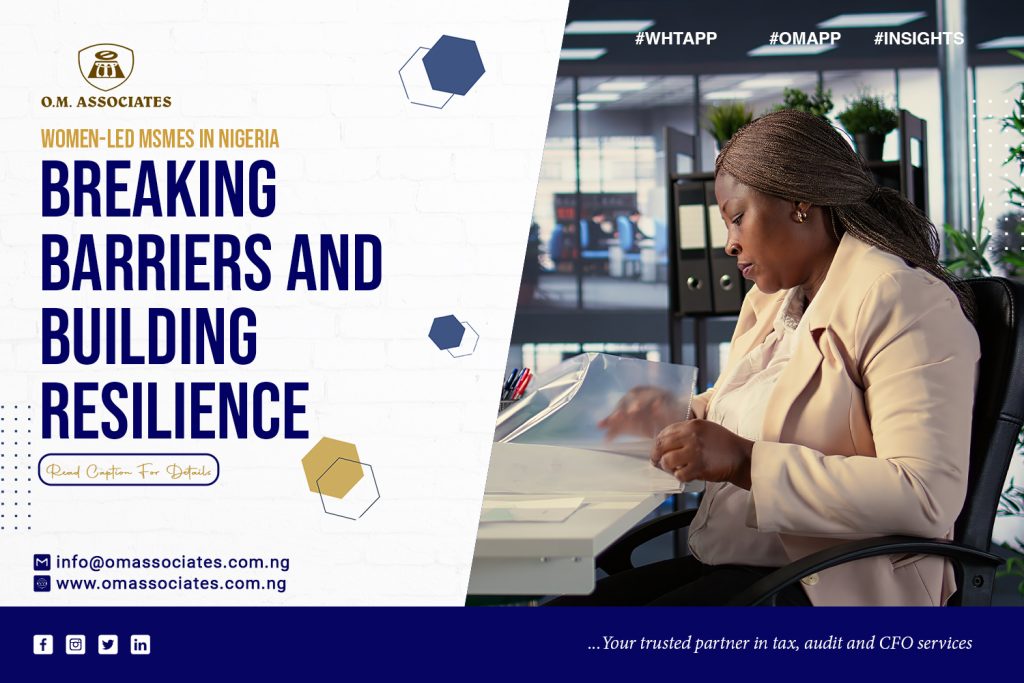
Women in Nigeria play a central role in the Micro, Small, and Medium Enterprises (MSME) sector. From roadside stalls and market shops to digital startups and professional services, women-led businesses are creating jobs, driving innovation, and supporting local economies. Despite facing unique challenges, these entrepreneurs continue to build resilient businesses that contribute significantly to national development.
This article explores the impact of women-led MSMEs in Nigeria, the challenges they face, and what can be done to support and sustain their growth.
The Impact of Women-Led MSMEs
Women-led MSMEs are making remarkable contributions to Nigeria’s economy:
- According to the National Bureau of Statistics (NBS) and SMEDAN, women own nearly 43% of all MSMEs in Nigeria.
- These businesses span sectors like agriculture, fashion, retail, hospitality, healthcare, and digital services.
- They employ millions, particularly other women and youths.
Example:
A food processing business in Ogun State, run by a woman entrepreneur, sources raw materials from rural farmers, employs women for packaging, and supplies supermarkets across the South-West.
Challenges Facing Women Entrepreneurs
Despite their efforts and impact, women-led MSMEs face several structural and cultural challenges that limit their potential.
1. Limited Access to Finance
Many women lack access to credit due to the absence of collateral, low financial literacy, or discriminatory practices.
Example:
A woman running a poultry business in Kano cannot access a bank loan due to a lack of land title, which is often required as collateral.
2. Cultural and Social Norms
In some communities, women are discouraged from owning or leading businesses. Balancing family responsibilities with business demands can also be difficult.
Example:
A married woman in Bauchi may face resistance from family members when trying to attend business training sessions or travel for market opportunities.
3. Education and Skills Gap
Many women entrepreneurs operate informally and have limited business or digital skills.
Example:
A woman selling handmade crafts in Enugu may not know how to market her products online, limiting her customer reach.
4. Lack of Networks and Mentorship
Women entrepreneurs often lack access to networks that provide market information, support, and growth opportunities.
Example:
An online skincare brand owner in Lagos struggles to connect with larger retail distributors due to limited business connections.
Building Resilience and Breaking Barriers
Despite the odds, Nigerian women are pushing boundaries and succeeding in various sectors. Their resilience is visible in how they adapt, learn, and grow even with limited resources.
1. Embracing Digital Tools
More women are using digital platforms to sell products, receive payments, and promote their businesses.
Example:
A beadmaker in Abuja uses WhatsApp Business and Instagram to display her catalogue and receive customer orders nationwide.
2. Leveraging Government and NGO Support
Several organisations offer grants, training, and business support tailored to women.
- Tony Elumelu Foundation (TEF)
- Bank of Industry’s Women’s Entrepreneurship Fund
- SheTrades (by ITC)
- W Initiative (by Access Bank)
These programs provide funding, training, and mentorship to help women-led MSMEs scale.
3. Forming Women-Led Cooperatives and Groups
Women are joining forces to create cooperative societies that help members save, invest, and access group loans.
Example:
In Osun State, a group of female caterers formed a cooperative to bulk-buy ingredients at lower prices and bid for larger contracts together.
4. Capacity Building and Continuous Learning
Many women entrepreneurs now attend short courses in digital marketing, business planning, and financial literacy.
Example:
A fashion designer in Kaduna joins a SMEDAN-sponsored training on bookkeeping and uses the knowledge to better manage cash flow.
What Policymakers and Stakeholders Can Do
To unlock the full potential of women-led MSMEs, targeted support is essential:
- Simplify access to credit by offering low-collateral loans and tailored financial products.
- Support education and digital literacy through free or subsidised training programs.
- Promote gender-inclusive policies that address legal and cultural barriers.
- Encourage mentorship and networking by connecting new entrepreneurs with experienced businesswomen.
- Highlight success stories to inspire more women to become business owners.
Conclusion
Women-led MSMEs are a powerful force in Nigeria’s economic and social development. Despite facing financial, cultural, and institutional barriers, these entrepreneurs continue to innovate, create jobs, and uplift communities. With the right support, women can grow their businesses beyond survival into sustainability and scale.
As a country, investing in women-led MSMEs is not just good for gender equality—it’s good for business, good for communities, and good for national progress. Supporting these businesses ensures that Nigeria’s future is built on the resilience, creativity, and leadership of its women.